Certo Cito Meet the Makers Series: From Simpson Barracks to the Australian War Memorial
On 10 November 2026, the final day of the Royal Australian Corps of Signals centenary and the eve of Remembrance Day, the Governor-General of the Commonwealth of Australia, Her Excellency the Honourable Sam Mostyn AC, will officially unveil the plaque accompanying the miniature Certa Cito Centenary Cube at the Australian War Memorial.
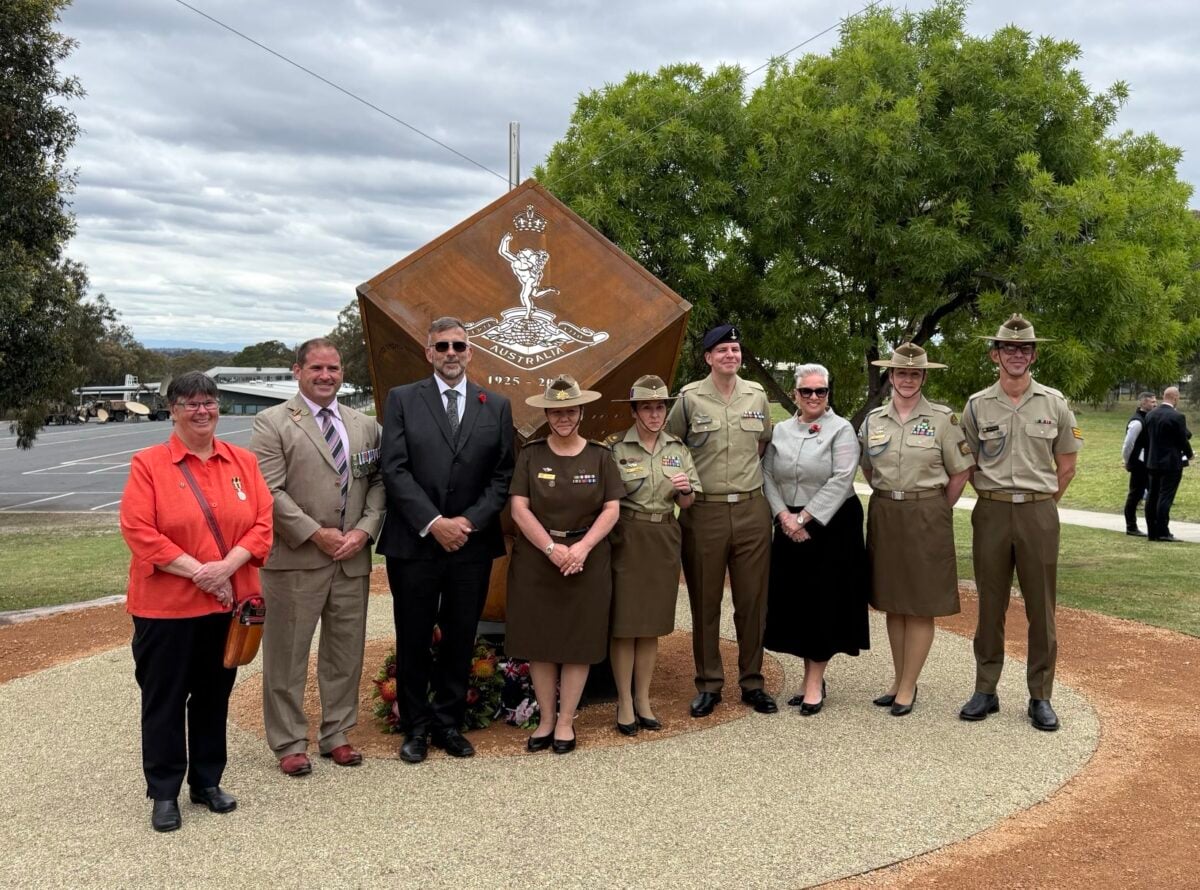
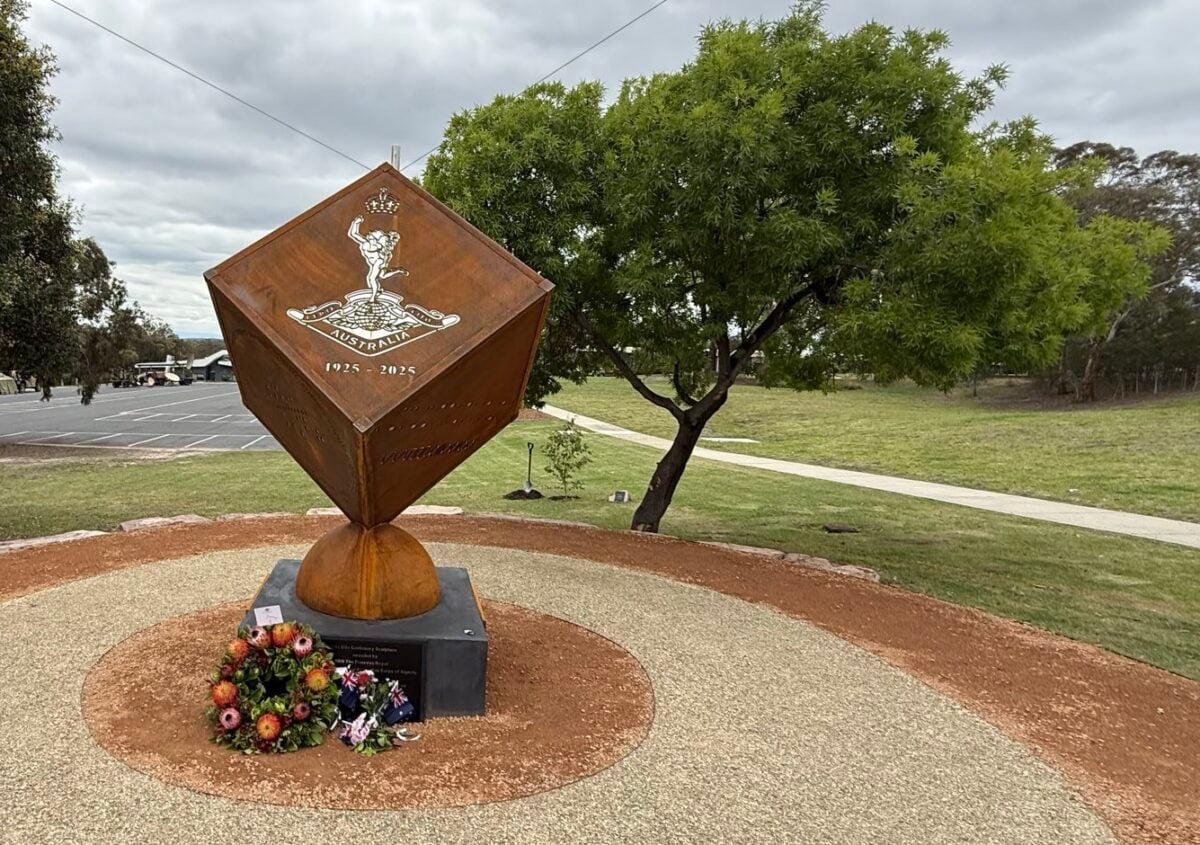
The miniature brings the story of the full-scale sculpture, unveiled at Simpson Barracks in 2025, to a national setting. Commissioned by the Certa Cito Foundation and supported by PentenAmio, the project reflects the service, innovation and community that have shaped Signals for more than a century.
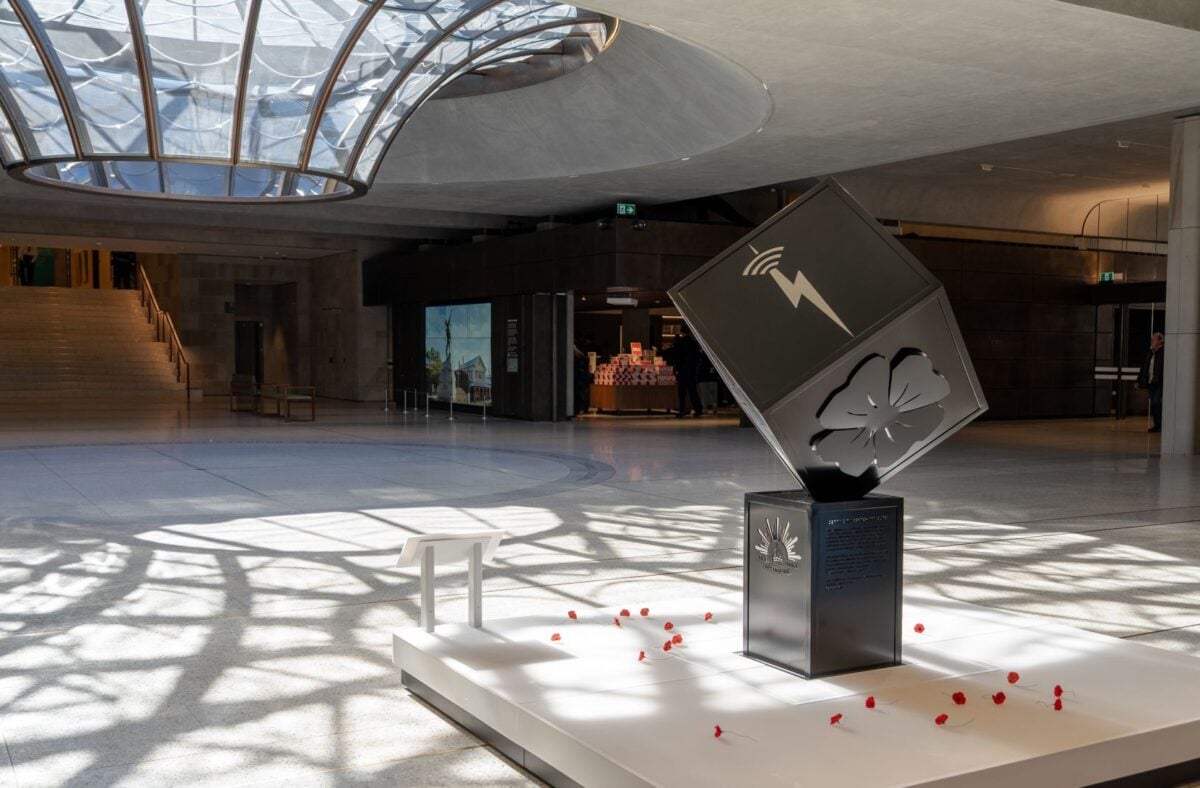
Ahead of the ceremony, we met with some of the people whose ideas, experience and craftsmanship helped bring the work to life.
The Artist – Dr Richard Barrett, PhD.
Introducing the artist at the heart of the Certa Cito Foundation Centenary Sculpture and Certa Cito Centenary Cubes to mark the Royal Australian Corps of Signals Centenary (1925-2025), Dr Richard Barrett, PhD.
Every commemorative work begins with an idea. For practising artist, Dr Richard Barrett, an infantry officer with 33 years of service and now as an Army reservist with a PhD in Fine Arts, the Certa Cito Centenary Cube began with a question: how can art represent the full experience of military service, not only war?
Richard’s practice is grounded in making: the belief that materials, physical work, and lived experience create meaning and this belief is deeply embodied in his art practice. This approach has shaped both the full-scale sculpture at Simpson Barracks and the miniature now at the Australian War Memorial.
“So much of military art is war art,” Richard says, “but in my career, only four of those years were on active campaign. The story of military life is so much more than that.”
The Certa Cito Centenary Sculpture and Cubes tell that broader story through material and form: from routine, transition and technical ingenuity to service, sacrifice and remembrance.
The original sculpture installed at Simpson Barracks is made from Corten steel, which develops a weathered patina without weakening the structure beneath. The material speaks to the Signals community itself: shaped by time and experience, yet enduring.
Its balanced cube is a form Richard often returns to in his work. “Cubes are solid and sturdy. Boxes are boring, but when you tip a cube onto one of its points, it has to be perfectly balanced or it’ll topple. That balance is critical.” As the miniature takes its place at the Australian War Memorial, that balance continues to invite reflection on the Corps’ foundation and future.
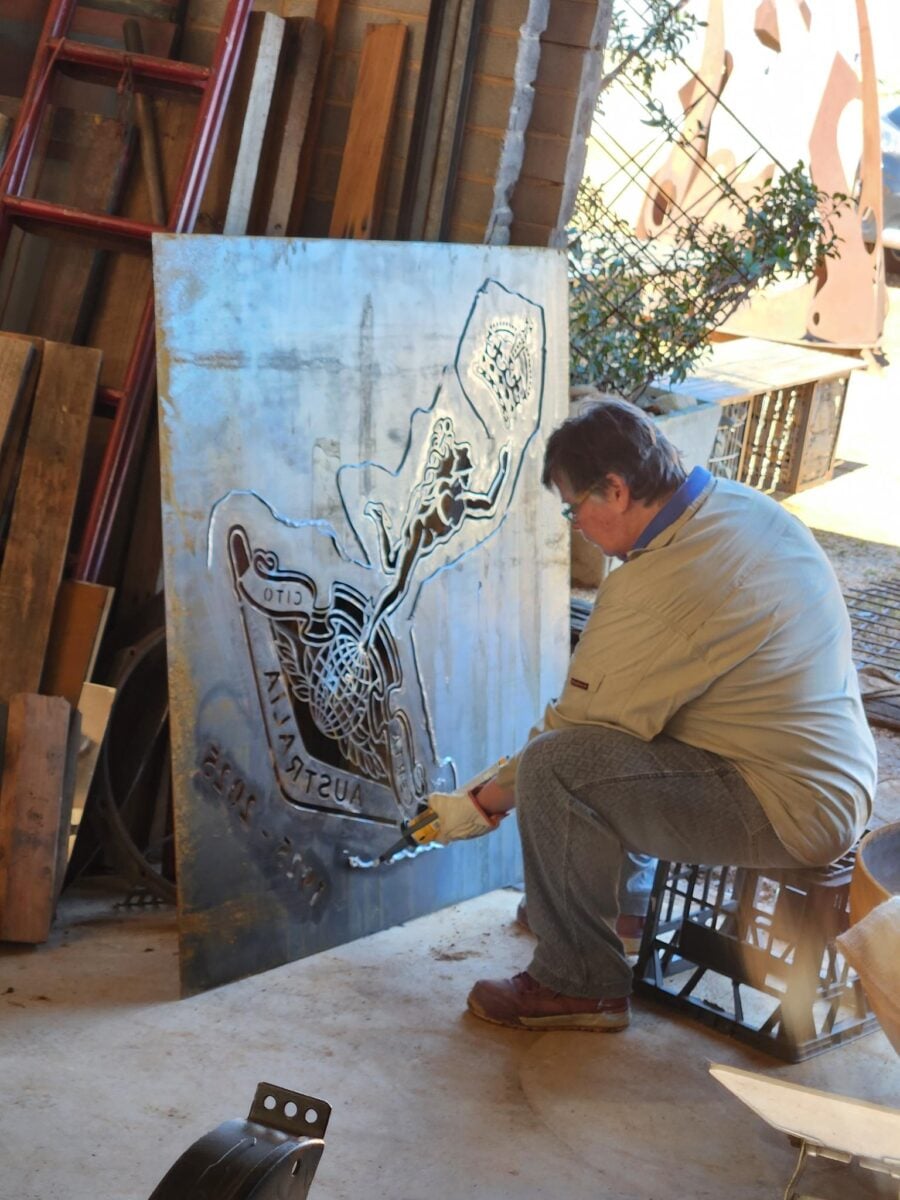
Shaping a Community Story – Cleon Walters
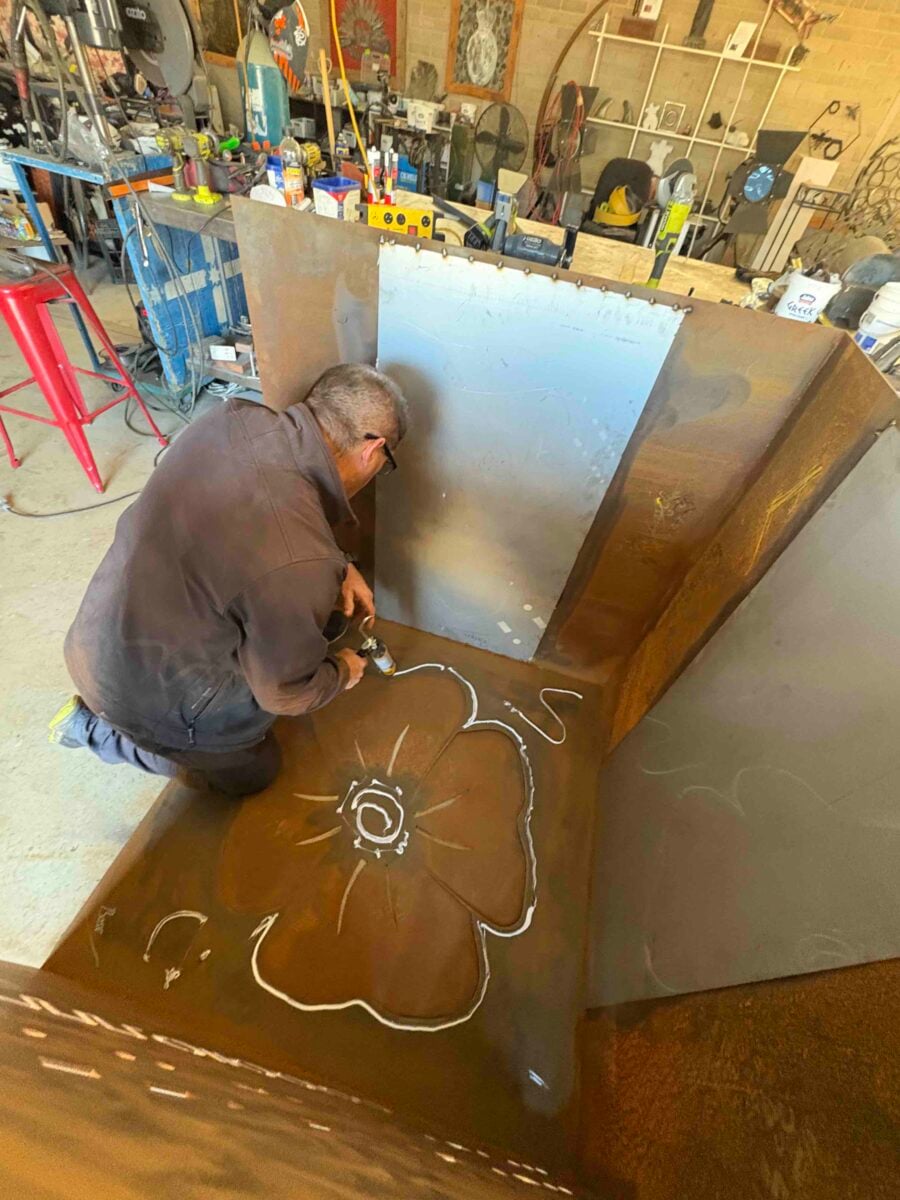
The Certa Cito Centenary Cube was made by, for and with the Signals community. Former signaller and Certa Cito Foundation member Cleon Walters worked closely with Dr Richard Barrett and was integral to the design and fabrication process.
Cleon explains that the tipped cube evokes the form of a diamond, introducing a feminine dimension to the design. It honours the women who have shaped Signals, from the Australian Women’s Army Service and Women’s Royal Australian Army Corps, including their vital contributions during WWII, through to those serving across the Corps today.
“Women have shaped Signals from the beginning, and today they’re leading in areas like cyber, electronic warfare, and advanced networking. This sculpture reminds us that their contribution is not just historical, it’s central to the Corps’ future.”
However, the Cube is more than a historical acknowledgement. Its meaning has been shaped by the many voices and experiences of the Signals community, reflecting the collaborative process behind its creation.
Decoding the Cube – Merik Karman
Merik Karman, PentenAmio Principal Technical Fellow, describes the Certa Cito Centenary Sculpture and Certa Cito Centenary Cubes as a conversation between past and future. Merik helps decode the details: the Corps badge and motto, “Certa Cito”—Swift and Sure—and the Remembrance Poppy honouring those who have fallen.
“Every face tells a story,” he says. “One side carries the badge of the Royal Australian Corps of Signals.,. Another spells the Corps motto Certa Cito – Swift and Sure in binary and Murray code, showing how language and technology have evolved. There’s Morse code and a sine wave marking ‘Signal Engineers [from WW1] and ‘100’ for the centenary. And then there are the lightning bolts and the raven—symbols of the dual nature of Signals: to transmit and to defend.”
For Merik, these details demonstrate the versatility and resilience of the Signals community. “Signals has always been about solving problems under pressure, adapting technology to keep people connected. That’s what drew me to this project. It’s what we do at PentenAmio too, finding ways to protect and enable communication in complex environments.”
Inside the sculpture, the names and regimental numbers of contributors are inscribed, a quiet reminder that this work was shaped by many hands and minds. The miniature now shares these layered ideas with visitors to the Australian War Memorial.
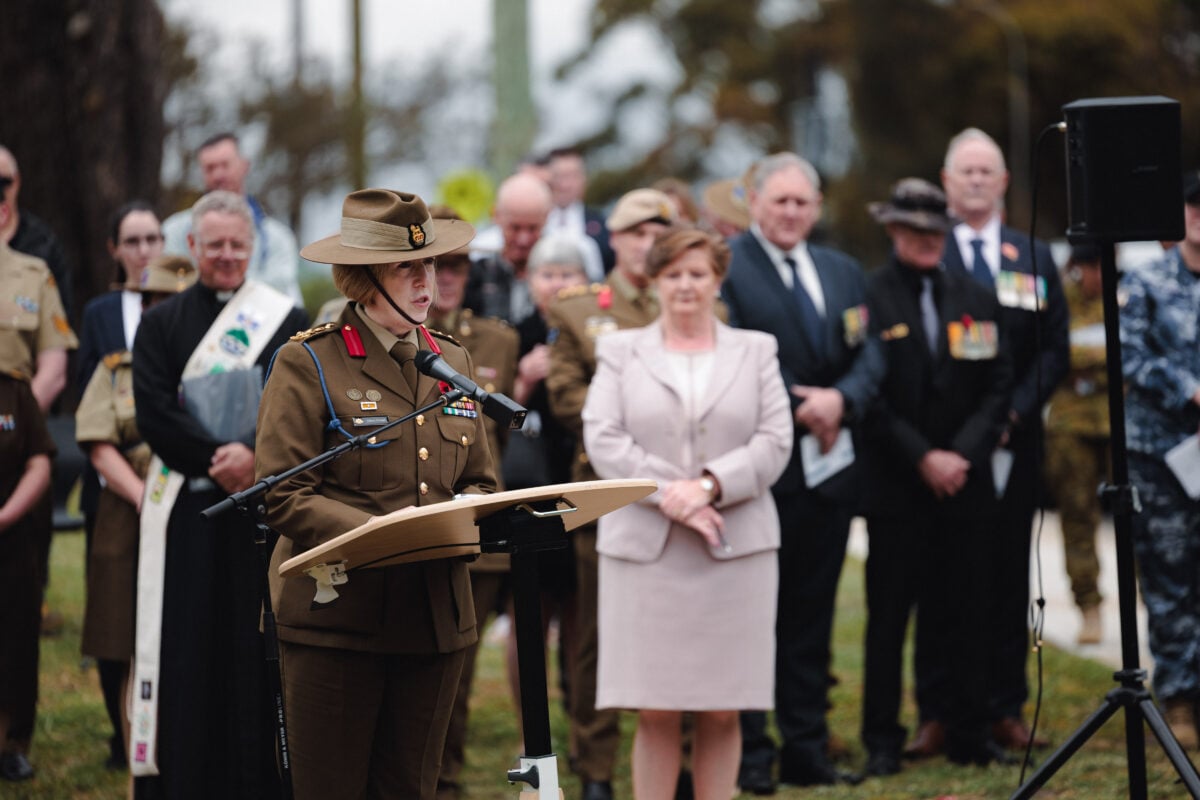
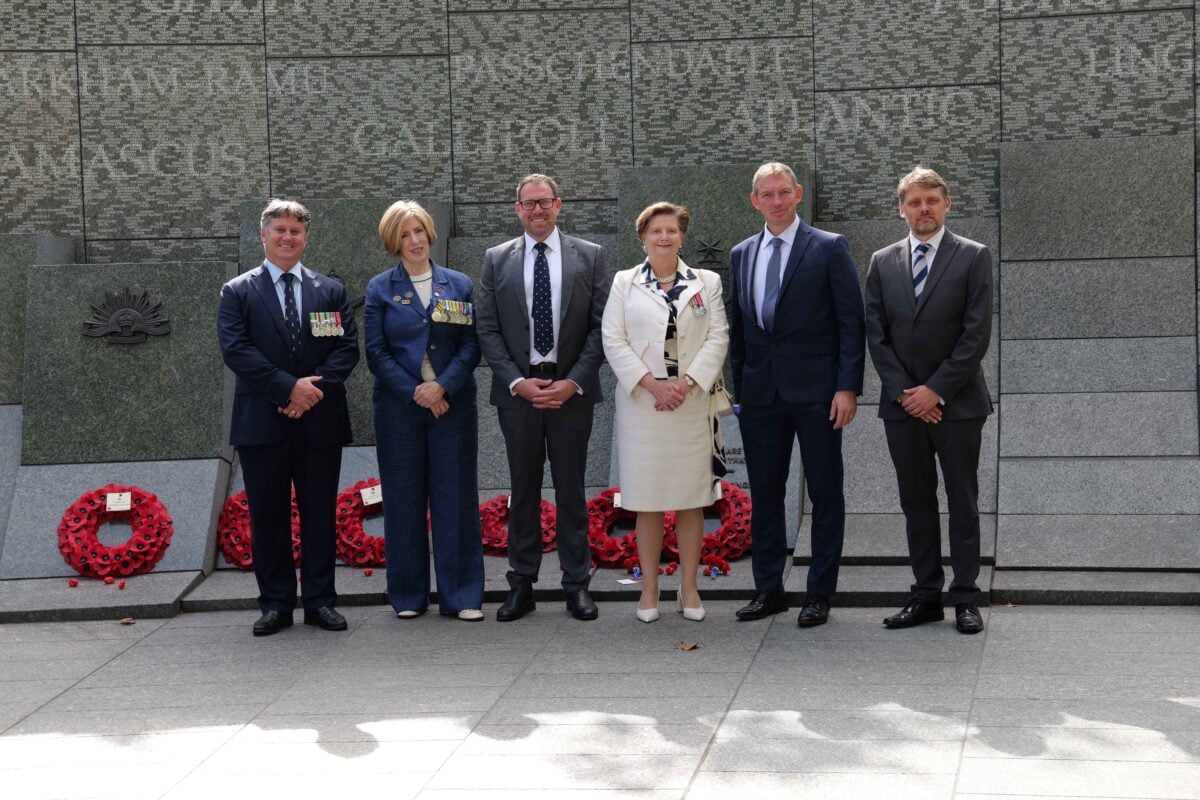
Care, Connect and Commemorate – Brigadier Alison Creagh AM CSC
Introducing Brigadier Alison Creagh AM CSC, President of the Certa Cito Foundation and former Representative Colonel Commandant of the Royal Australian Corps of Signals.
For Alison, helping bring together a year of events marking 100 years of the Royal Australian Corps of Signals has been an honour, and an opportunity to ensure the centenary leaves a lasting legacy.
From bringing the Signals community together to remembering those who came before and recognising those who continue to serve, the centenary has always been about more than looking back. The Certa Cito Centenary Sculptures and Cubes capture that intent.
She describes the sculptures’ design as more than art; it is a living story.
“Art, and in this case the Certa Cito Centenary Sculpture and the three Centenary Cubes, give life and meaning to experience. It turns a story we carry in our heads into something we can touch, return to and share. The concept was to design and build a sculpture by the Signals community for Signallers to reflect our lived experience. Each of the design elements has multiple meanings so there’s something in the design to represent us all – those serving now, those who’ve served, those who will serve with the Corps in the future and our families who support us,” she explains.
The sculpture is the Certa Cito Foundation’s gift to the Corps, created to connect the Signals community across generations. Each element carries meaning: the poised diamond and hemisphere suggest global reach and balance, the lightning bolt forms echo communications and electronic warfare, and the poppy invites quiet remembrance. Together, they reflect the Foundation’s purpose to care, connect, celebrate and commemorate during the centenary year and beyond.
Alison also highlights the surrounding elements of the sculpture, including three poles connected by wire that hold the cube in place and can be seen as antennas or as representing the families who support Signallers. The concentric circles carved into the gravel are inspired by Indigenous meeting place designs. These meeting circles were developed in consultation with Army Indigenous Liaison Officers supported by Senior Elder Aunty Lorraine Hatton OAM, a member of the Corps of Signals, to honour First Nations people who have served and continue to serve in Signals roles.
One of the highlights of the centenary was the unveiling of the original sculpture at Simpson Barracks by The Princess Royal, Colonel-in-Chief of the Royal Australian Corps of Signals. The project took around 18 months from initial concept to completion, including approvals, design working groups and community consultation. The sculpture and its surrounding elements stand as a permanent place for reflection, remembrance and connection.
Now, as the centenary draws to a close, the story continues at the Australian War Memorial, where the Governor-General will officially unveil the plaque accompanying the miniature on 10 November.
While the miniature cannot recreate the full landscape of the original at Simpson Barracks, its place at the Australian War Memorial gives the work a new significance, connecting the Signals community’s story with Australia’s broader history of service and remembrance. Since its installation in August, the miniature has already seen thousands of visitors pause and reflect on the role of RA Sigs and the Signals community.
From the original unveiling by The Princess Royal at the home of the Corps to the miniature’s inclusion at Australia’s national place of remembrance, Certa Cito provides a fitting thread through a remarkable centenary year.